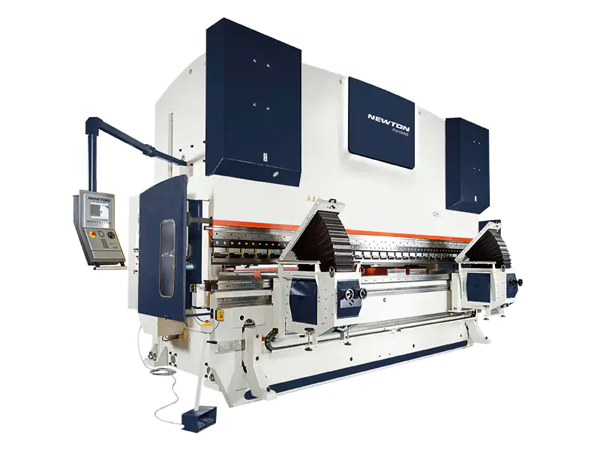
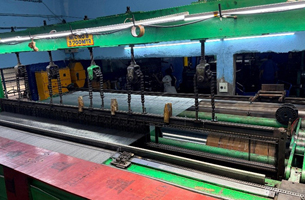
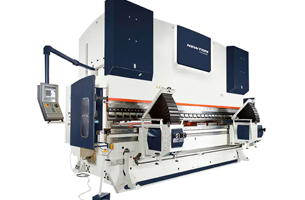
The stamping and labeling machine, by integrating functions such as automated feeding, positioning, stamping/printing, and labeling, it realizes the mechanization and intelligence of the identification process, effectively improving production efficiency, ensuring the consistency of identification quality, and reducing errors caused by manual intervention. It has become a key equipment for achieving automation and standardization of product identification in modern production lines and logistics systems, widely used in food, pharmaceutical, daily chemical, electronics, logistics and other fields, meeting the core needs of enterprises for efficient production, quality control and compliance management.
Needs and challenges
The deviation rate of traditional high-speed stamping equipment labels exceeds 5%, seriously affecting product delivery quality.
The equipment's energy consumption remains consistently high, facing the risk of being phased out amid the green manufacturing wave.
The synchronization between stamping and labeling actions is poor, with millisecond-level delays leading to insufficient production efficiency, making it difficult to cope with a surge in customer orders. This not only results in missed market opportunities but also leads to high material waste and maintenance costs.
Solution
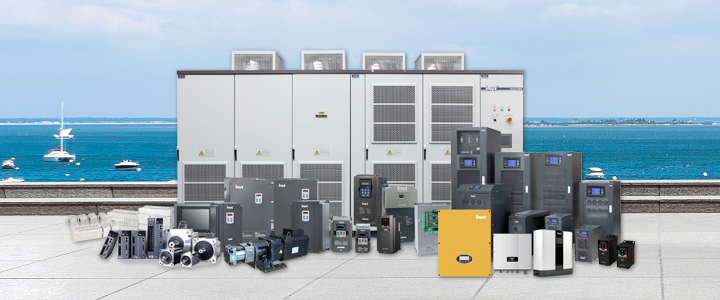
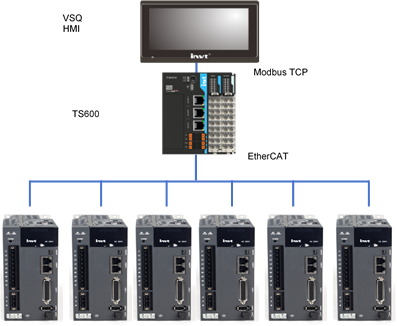
INVT offers a portfolio of over 500 servo products, with each device equipped with 3 to 5 DA180 series servo motors and 1 DA200 servo motor (5.5 - 55kW), capable of precisely adapting to the motion control requirements of pumps with pressures ranging from 30 to 11,000 tons.
The servo system algorithms have been optimized to reduce response time to under 2 milliseconds, ensuring millisecond-level synchronization for stamping and labeling actions. Through energy-saving design, the system operates with low energy consumption, meeting green manufacturing standards.
Customer benefits
After the solution was implemented, production capacity increased by 8 to 12 times, and line changeover time was reduced to less than 15 minutes.
The label defect rate sharply dropped from 5% to below 0.3%, with an interception rate of 99.9%.
The solution significantly reduced energy consumption and material waste, saving approximately CNY 100,000 to 500,000 annually. It enabled customer to quickly capture market share and set a benchmark for efficient production in the industry.



Our site uses cookies to provide you with a better onsite experience. By continuing to browse the site you are agreeing to our use of cookies in accordance with our Cookie Policy.















 Share
Share
 Facebook
 Twitter
 Google+
 LinkedIn
 Return list